
 More
MoreCommon Electric Scooter Charging Problems and How to Fix Them
Introduction
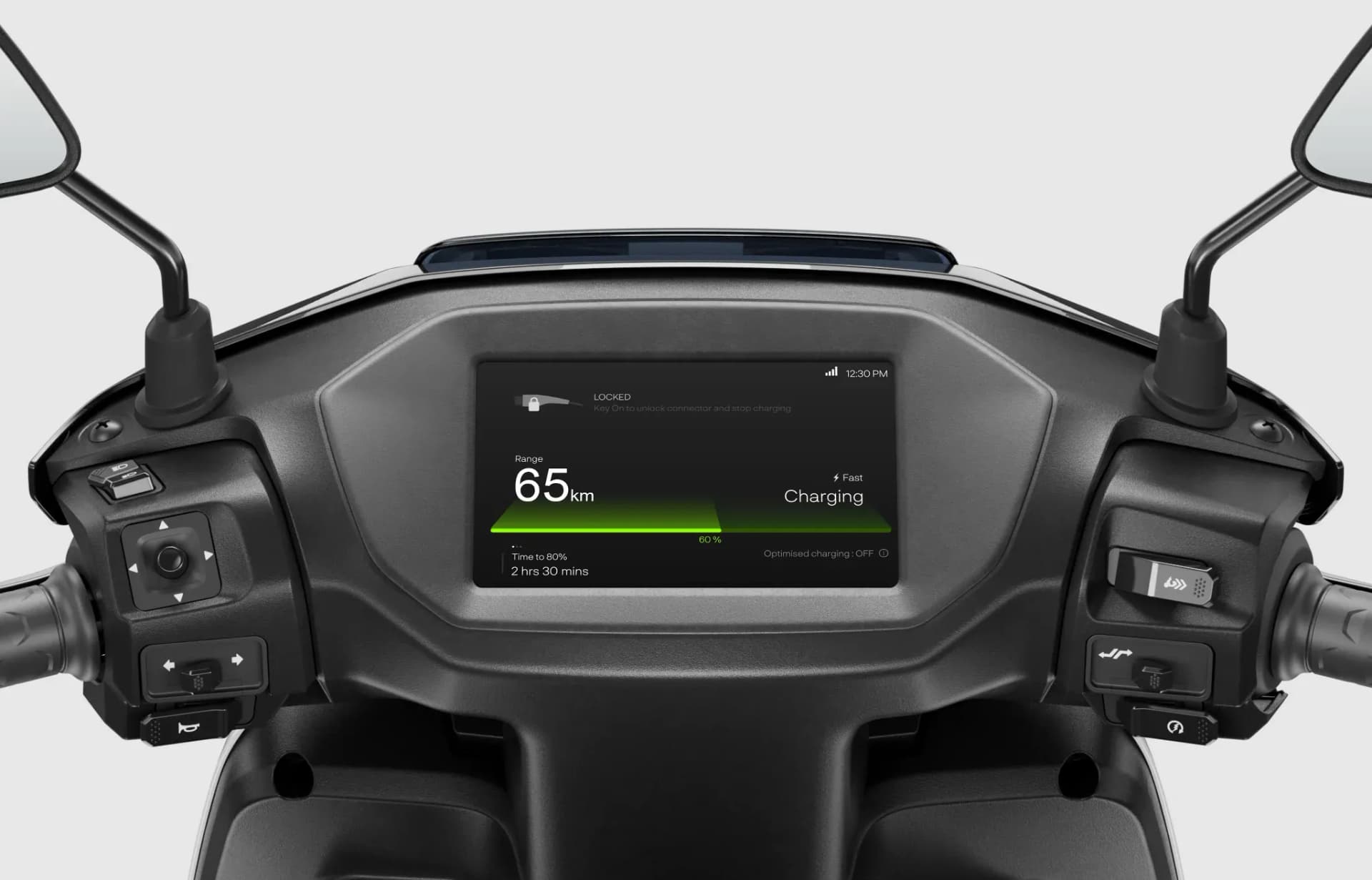
An electric scooter not charging can be a frustrating experience, especially when you rely on it for daily commutes. Charging issues often stem from simple, fixable problems related to the charger, the charging port, or the battery itself. Understanding the common signs of an electric scooter charging problem and knowing how to safely troubleshoot the components is essential. Here are some practical steps to diagnose and resolve the most frequent charging issues, ensuring your electric scooter charging is smooth and efficient.
Common Signs That Your Electric Scooter Isn’t Charging Properly
Recognising the symptoms of an electric scooter charging problem early can help prevent further damage and costly repairs. Look out for the following signs that indicate a fault in how to charge an electric scooter:
- Charging Light Irregularity: When the charger’s indicator light either does not blink green or turns red. A blinking green light indicates charging is in progress. Solid red means the charger is faulty.
- Slow or No Charging: The battery takes significantly longer than the typical 4-6 hours to reach full charge, or the battery level does not increase at all after being plugged in.
- Rapid Battery Drain: Your scooter's battery empties much faster than expected, even after the indicator showed a full charge. This points to underlying electric scooter battery issues, such as age or degradation.
- Physical Damage or Odour: Visible signs of physical damage like bulging, cracks, or leakage on the battery are serious red flags. A burnt smell during charging signals severe electrical issues and requires immediate attention.
- Unusual Heat: While some warmth is normal, an unusual or excessive amount of heat from the battery or charger, melting of the plastics or the plug itself indicates an electric scooter overheating problem and requires immediate action.
How to Prevent Overheating While Charging Your Electric Scooter
Electric scooter overheating is a critical safety and battery health concern that can be easily prevented with these smart charging habits:
- Charge in a Cool, Ventilated Area: Always charge your scooter indoors at room temperature, ideally between 5°C and 45°C. Place the charger carefully to avoid obstructing its air ventilation, ensuring proper airflow and preventing overheating.
- Avoid Direct Heat: Do not charge the scooter immediately after a long ride; allow the battery to cool down first. Avoid charging in direct sunlight or in extremely hot environments.
- Unplug Once Charged: To avoid the risks of heat generation from overcharging, unplug your scooter once the charging process is complete. Ather scooters have optimized charging and the chargers have overvoltage cutoff protection, but this remains a best practice.
- Use the Right Charger: Only use the original charger provided by the manufacturer or a compatible, manufacturer-approved charger. Incompatible chargers can cause overheating and potential damage.
- Charge on a Safe Surface: Charge your scooter on a hard, flat, and non-flammable surface, and never on soft materials like carpet or a bed.
- Avoid placing the charger in wet or dusty environments to prevent electrical malfunctions and ensure proper fan operation.
- Avoid excessive stress on the cables.
Step by Step Troubleshooting Guide for Common Charging Issues
If you find your electric scooter not charging, follow this guide to identify and fix the fault.
Step 1: Inspect the Charger and Power Source
- Check Connections and Outlet: Ensure the charger is properly plugged into a functional wall outlet and the connection to the scooter is snug. Try a different power outlet to rule out a faulty socket.
- Visual Inspection: Look for any visible damage to the electric scooter charger not working, such as frayed cables, bent prongs, damaged adapter or charger. Replace the charger if any damage is found.
- Test the Charger: If available, use a known working charger (of the same voltage) on your scooter to determine if the charger is the root of the electric scooter charging problem.
- Troubleshooting: To identify any fault, observe the LED light. If it is staying solid red or green, then power off, restart the AC source and see whether the issue is resolved. If not, check again in a bit. If not resolved, check with another Ather scooter.
Step 2: Examine the Charger
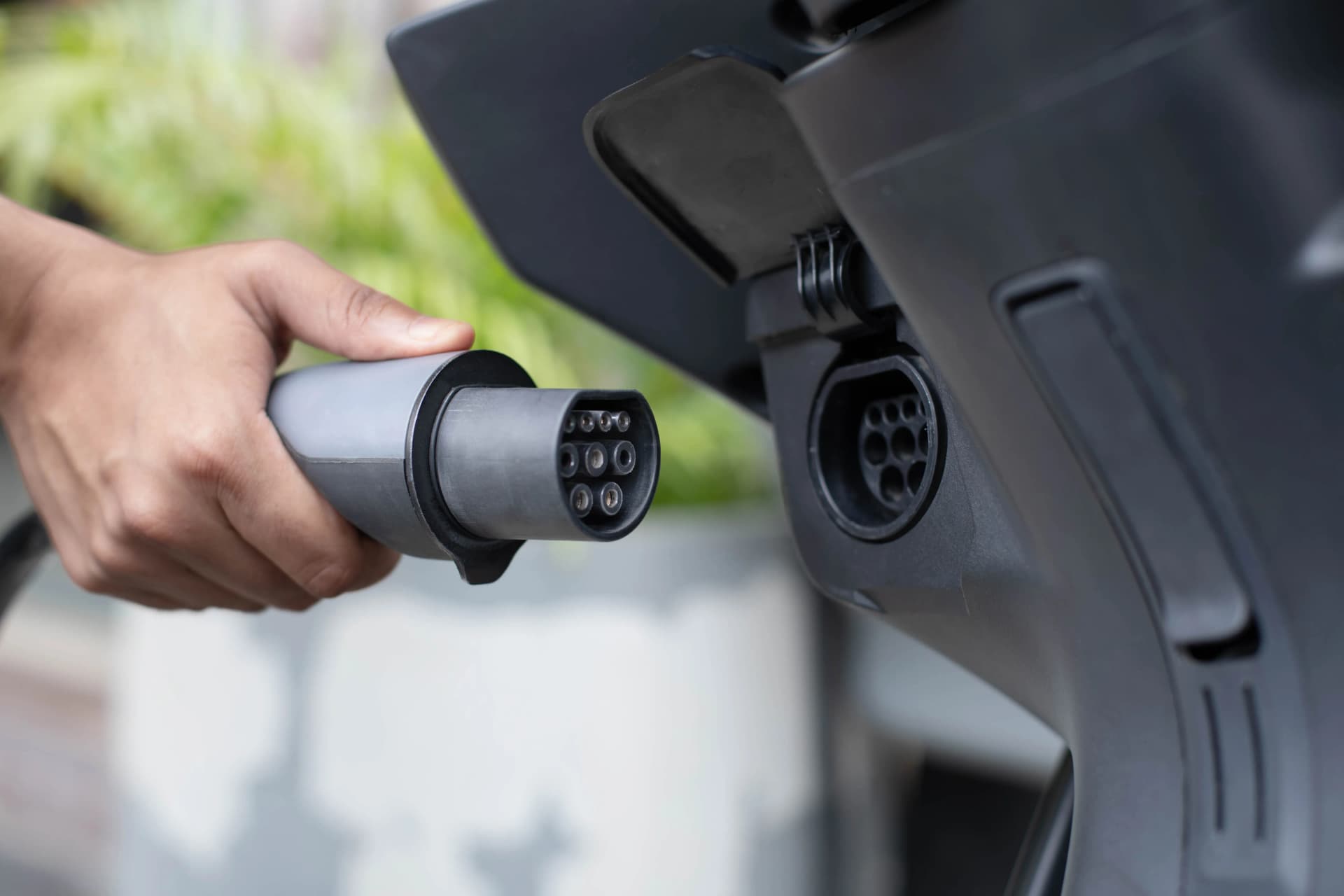
- Clean the Port: The charging port often accumulates dirt, dust, or debris, which can block the connection. Use a soft, dry cloth or compressed air to gently clean the charging port.
- Check for Physical Damage: Inspect the port for bent pins, corrosion, or a loose connection. You can gently straighten bent pins with needle-nose pliers, but be extremely cautious to avoid breaking them.
Step 3: Check for Internal and Battery Issues
- Look for Battery Damage: Visually inspect the battery for signs of swelling, cracks, or leakage. These electric scooter battery issues are serious and require immediate professional attention or replacement.
- Reset the Scooter: A software glitch can sometimes prevent the electric scooter not charging. Unplug the charger, power off the scooter, and hold the power button for about 10 seconds to attempt a system reset.
Step 4: Seek Professional Help
- If you have followed all these steps and the electric scooter charger not working is still an issue, the problem is likely internal or with the Battery Management System (BMS).
- Contact your manufacturer or an authorised service center for diagnosis and repair. Never attempt to open or repair the battery pack yourself.
Similarly, when slow charging: Check whether the charger’s fan is running while charging. If it is, the issue is with the communication lines of the charger or the vehicle. In both cases, visit your nearest Ather service center.
Conclusion
Addressing an electric scooter charging problem requires a logical and systematic approach. By recognising the signs that your electric scooter is not charging and adhering to best practices on how to charge an electric scooter (especially to prevent electric scooter overheating), you can resolve most issues quickly and maintain the long-term health of your vehicle. Periodic checks on your charger, port, and battery are the best defense against unexpected downtime.

 Kritanjay Sharma4 min read
 Sanya Sawlani4 min read
 Sanya Sawlani5 min read
Wish to know more about Ather?
The best things about an Ather can’t be put in words, or captured in images. We’ll take up all your questions, just drop us your number. We’ll call you.
