
 More
MoreElectric Scooter Service vs Petrol Scooter Service: What's Different?
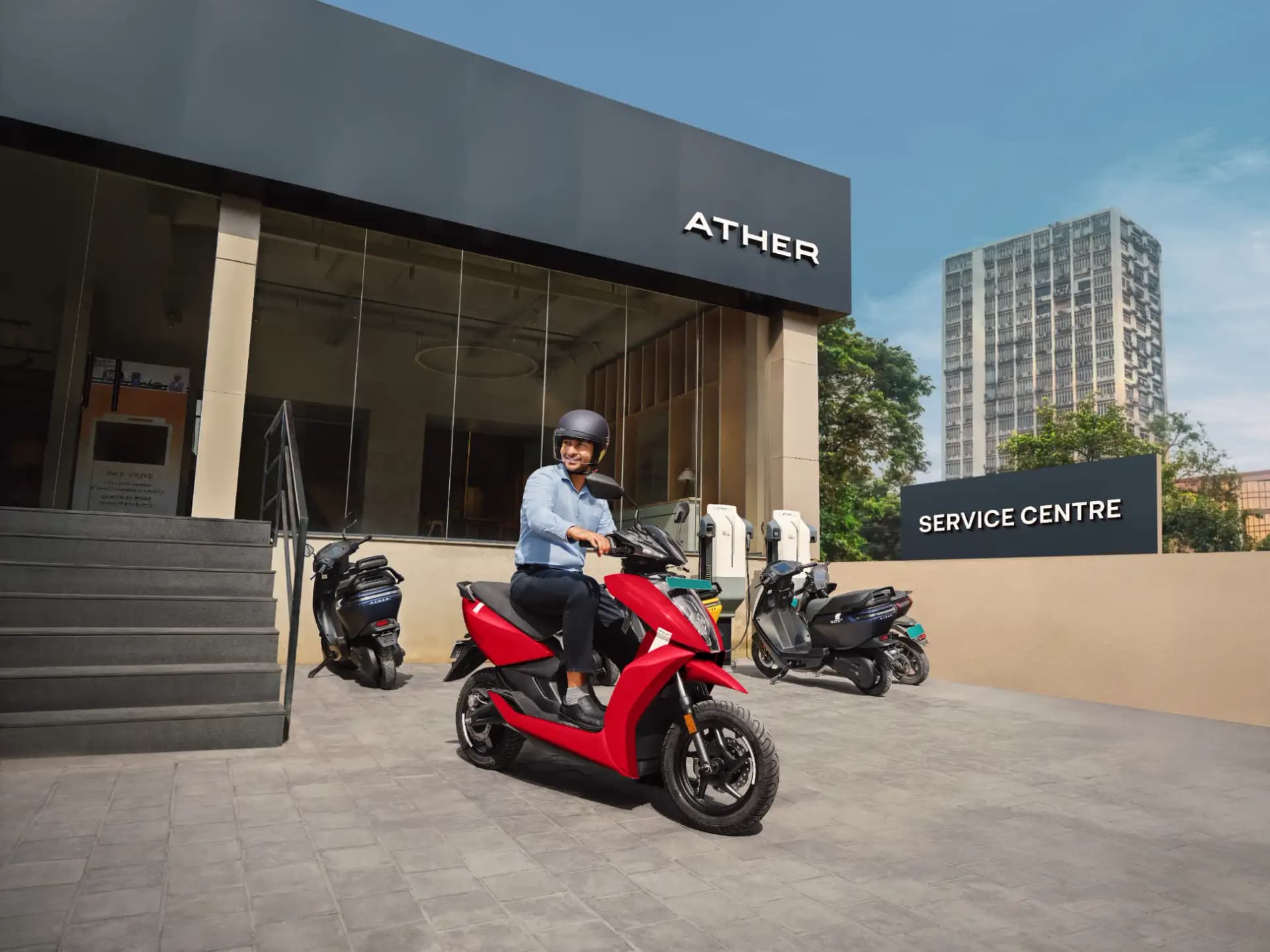
Buying a scooter is not only about its purchase price or daily running cost. The ownership experience is shaped just as much by what happens after delivery: the appointments, the workshop visits, the replacement parts, and the confidence that the scooter will be ready when you need it.
That is where the difference between electric and petrol scooters becomes especially clear. Petrol scooters have served Indian riders well for decades, but their internal-combustion engines require regular attention. Electric scooters simplify much of that mechanical upkeep, while introducing a more software-led ownership experience.
A thoughtful comparison of electric scooter service and petrol-scooter servicing helps buyers look beyond the showroom. It reveals what each vehicle needs to stay safe, efficient, and dependable over the long term.
Why Is Servicing Important for Every Scooter?
Every scooter, regardless of how it is powered, needs regular care. Service is not only about fixing something after it has gone wrong. It is about preventing avoidable problems before they affect a ride.
A good scooter service routine matters for four reasons:
- Safety: Brakes, tyres, suspension, bearings, lights, and steering components need to remain responsive. Regular inspections help identify wear before it becomes a risk.
- Performance: Correct tyre pressure, healthy brakes, and smooth mechanical operation help a scooter deliver more consistent mileage or range.
- Longevity: Small issues, if ignored, can become expensive repairs. Timely maintenance protects both the scooter’s performance and its resale value.
- Convenience: No rider wants to discover a problem on the morning of an important commute. Periodic checks reduce the chance of an unexpected breakdown.
The key difference is not whether electric scooters need service. They do. The difference lies in what is being serviced.
How Does Electric Scooter Service Differ From Petrol Scooter Service?
The biggest contrast is the mechanical complexity of the two systems.
- Engine maintenance versus a simpler drivetrain Petrol scooters rely on internal-combustion engines with many moving parts. Their regular maintenance can include engine-oil changes, air-filter and fuel-filter replacements, spark-plug checks, clutch and belt inspection, and attention to heat, vibration, and carbon build-up. An electric scooter service does not involve engine oil, spark plugs, or fuel filters. The focus shifts to shared mechanical components, the electrical system, battery health, and diagnostics.
- Mechanical work versus software-led support Petrol servicing is largely mechanical. Electric scooters still require physical inspections, but modern models can also receive software updates and diagnostics. Some issues can be identified through connected systems before they become a major inconvenience. This does not mean every concern can be solved remotely. Brake pads, tyres, suspension, and mechanical wear still need expert attention. But software-led updates can reduce the need for a workshop visit in some cases.
- Different service items, shared safety checks Both scooter types need regular attention to tyres, brake pads, suspension, lights, bearings, and body panels. These are the parts that deal with real roads, real traffic, and everyday wear. The petrol scooter adds engine-specific work to that list. The electric scooter removes much of it. This is why the average scooter service experience can feel simpler for an electric-scooter owner.
Which Scooter Is Easier to Maintain?
For most city riders, electric scooters are easier to maintain.
The reason is straightforward: fewer moving parts mean fewer components that need routine replacement or adjustment. There is no engine oil to change, no spark plug to replace, and no fuel system to service. The routine workload is generally lighter.
However, easy maintenance does not mean no maintenance. Owners should still follow the manufacturer’s recommended service schedule and take unusual signs seriously. A sudden loss of range, unusual warning message, reduced braking performance, strange tyre wear, or an unfamiliar sound should be checked promptly.
If you are asking which is the best electric scooter for servicing, look beyond the scooter itself. Check the quality and reach of the service network, the clarity of the maintenance schedule, the availability of genuine parts, and the ease of booking support. A nearby scooter service station with trained technicians can matter just as much as an attractive feature list.
How Do Service Costs Compare?
In general, routine electric-scooter servicing tends to cost less than petrol-scooter servicing because there are fewer consumables and fewer engine-related jobs.
A petrol scooter can incur recurring costs for engine oil, filters, spark plugs, belts, and other parts linked to its combustion engine. These expenses may be individually manageable, but they add up across years of ownership. Fuel costs also continue alongside maintenance costs.
Electric scooters still require spending on tyres, brake pads, bearings, suspension, and periodic checks. Battery and electrical systems also deserve professional attention. But the absence of regular engine maintenance can make routine ownership costs more predictable.
The best approach is to ask for a clear maintenance schedule before buying. Request estimated service intervals, typical replacement parts, warranty coverage, and the availability of an extended protection plan. Transparent answers are more useful than a single low service-cost claim.
Electric Scooter or Petrol Scooter: Which Offers a Better Ownership Experience?
The better choice depends on how and where you ride.
An electric scooter is often the stronger option for daily city commuting. It offers quiet riding, instant response, low day-to-day running costs, and a lighter maintenance burden. Riders who travel regular urban distances and have dependable charging access are likely to benefit most.
Petrol scooters remain useful for riders who frequently make long, unplanned journeys and need the reassurance of quick refuelling almost anywhere. Petrol pumps are widespread, and refuelling takes only a few minutes.
Use this simple decision framework:
- Choose electric if: Your rides are mostly within the city, you have access to charging at home, work, or nearby locations, and you value low running costs with simpler upkeep.
- Choose petrol if: You regularly travel long distances without predictable stops, do not have convenient charging access, or need maximum refuelling flexibility.
- Consider service access in both cases: A convenient scooter service station and reliable turnaround time can make ownership far easier, regardless of the powertrain.
- Look for digital convenience: The ability to book appointments, receive updates, or arrange online scooter service support can save time and make routine maintenance feel less disruptive.
Conclusion
Electric scooters and petrol scooters both need regular care, but the nature of that care is different. Petrol scooters require ongoing engine-related maintenance, while electric scooters focus more on mechanical wear items, battery health, diagnostics, and software.
For everyday city riders, an electric scooter can offer a simpler and more predictable maintenance experience. The best way to protect that advantage is to follow the recommended service schedule, use authorised support, and act early when something feels unusual.
Keep this scooter service checklist in mind: inspect tyres and brakes regularly, follow the manufacturer’s schedule, choose genuine parts, and book support promptly when a warning appears. These practical scooter servicing tips help every scooter, electric or petrol, stay safer and more reliable for longer.
Wish to know more about Ather?
The best things about an Ather can’t be put in words, or captured in images. We’ll take up all your questions, just drop us your number. We’ll call you.
