
 More
MoreWhat Is IDC Range in Electric Scooters? A Complete Guide for Buyers
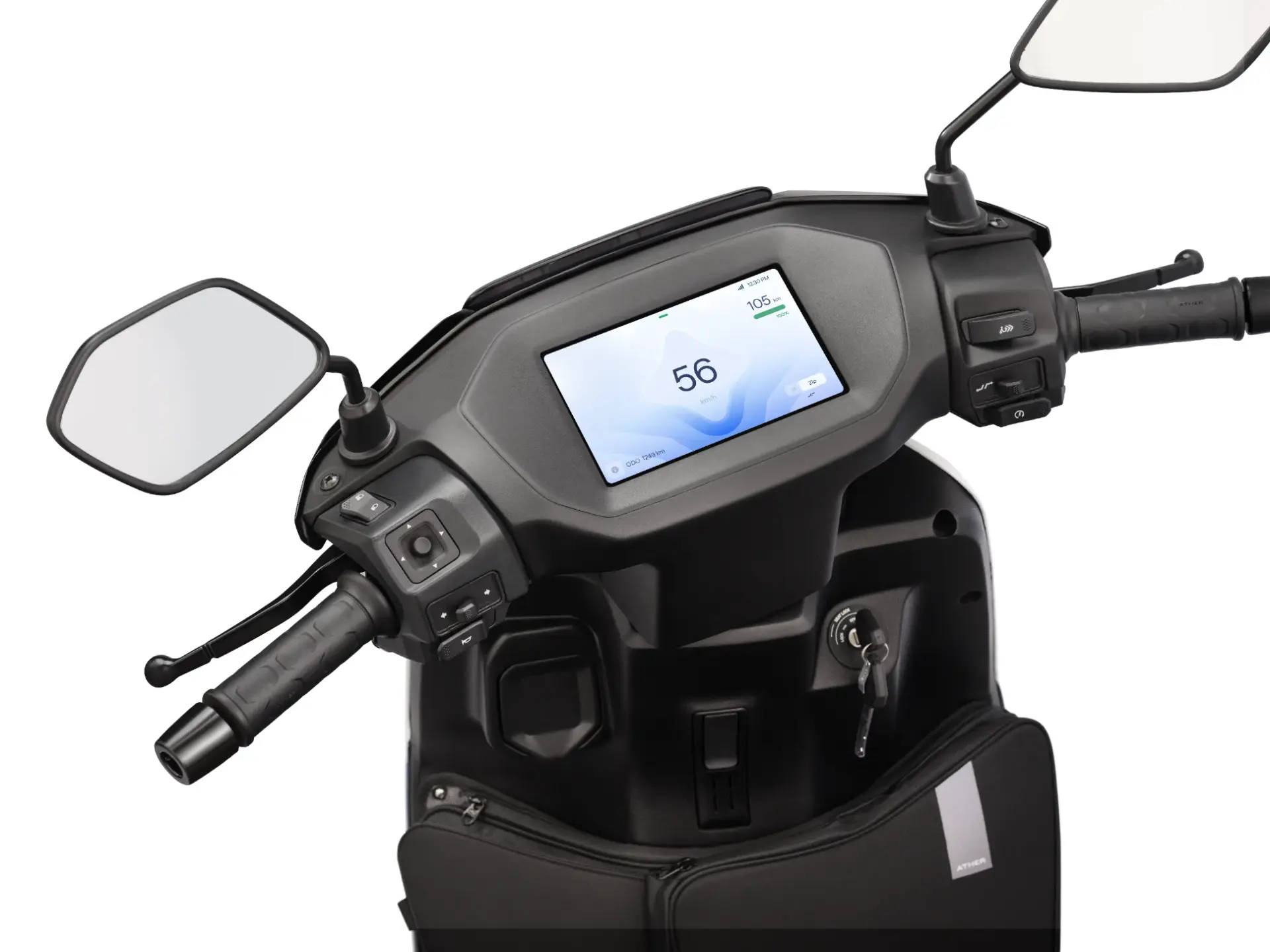
IDC range full form is the Indian Driving Cycle range. It is the certified distance an electric scooter can travel on a single charge under standardised test conditions.
Range is one of the first numbers buyers notice when comparing electric scooters. It appears in advertisements, product pages, brochures, and comparison charts, often presented as a quick answer to a much bigger question: how far will this scooter actually take me?
Understanding what is IDC range helps buyers read a specification sheet with more confidence and compare two scooters on a fair basis. It also prevents a common disappointment: expecting a laboratory-certified figure to match every day of real riding.
IDC range is useful, but it is not the whole story. Traffic, terrain, speed, rider weight, weather, and riding style all affect how much distance a scooter can deliver on a single charge. This guide explains IDC range means in practical terms, how it is measured, and how to use it when choosing an electric scooter.
What Is IDC Range in an Electric Scooter?
The IDC range full form is Indian Driving Cycle range. It is a standardised measure of the distance an electric scooters can travel on a single charge under controlled test conditions.
This matters because it gives buyers a common benchmark. If two scooters are tested using the same prescribed cycle, their IDC figures can be compared more fairly than two unverified claims based on different riding conditions.
So, what does IDC range mean for a buyer? It means the scooter achieved that distance during a defined certification test. It does not mean every rider will receive that exact distance on every route, in every season, or in every riding mode.
Think of IDC range as the answer to, “How efficiently did this scooter perform under the same test framework as other scooters?” It is not a guarantee of the distance you will see on your dashboard after a day of heavy traffic, steep climbs, a pillion rider, and a few enthusiastic bursts of acceleration.
How Is IDC Range Measured for Electric Scooters?
IDC range is measured through a standardised test cycle designed to represent urban riding in a controlled environment. The scooter begins with a fully charged battery and follows a predefined speed and acceleration pattern until the battery reaches its specified discharge limit.
The total distance covered during this process becomes the certified IDC range.
The test is built around consistency. It typically accounts for:
- A fully charged battery: Every test begins from the same battery state, so the result is not affected by how the vehicle was used before testing.
- Defined speed and acceleration patterns: The scooter follows a prescribed cycle rather than the unpredictable rhythm of real traffic.
- Controlled ambient conditions: Temperature and test conditions are managed to reduce variables that can influence battery performance.
- Standardised vehicle setup: The test follows the applicable regulatory procedure, making the result comparable across vehicles tested to the same requirement.
By removing real-world variables, the IDC test produces a consistent number. That consistency is exactly what makes it valuable. It is also why the figure should be read as a benchmark, not as a promise of identical daily range.
How Vehicle Category Affects IDC Range
Battery size is important, but it is not the only factor behind a certified range figure. The applicable vehicle category and the test procedure prescribed for it also shape how range is measured.
Electric two-wheelers are evaluated under India’s relevant regulatory and automotive standards, using a defined driving cycle for certification. That cycle is intended to create a common reference for vehicles designed for similar use cases, particularly urban riding.
The result is a level playing field. A scooter cannot simply be tested in its most favourable scenario and present that result as a universal comparison figure. The same framework is applied across comparable vehicles.
For buyers, the practical lesson is simple: compare IDC figures between scooters that have been assessed under the same standard. Use the number to understand relative efficiency, then look beyond it to assess how the scooter will fit your own commute.
Is IDC Range the Same as Real-World Range?
No. IDC range and real-world range serve different purposes.
IDC range is calculated in controlled conditions. Real-world range is what a rider experiences while navigating traffic, uneven roads, gradients, changing weather, and an everyday mix of stop-start riding. These conditions draw energy differently from a laboratory cycle.
The most important real-world influences are:
- Rider and passenger load: More weight requires more energy, especially while accelerating and climbing.
- Speed and riding style: Frequent hard acceleration and sustained high speeds consume more energy than smooth, measured riding.
- Road and terrain: Hills, rough surfaces, and poor road conditions can reduce range compared with flat, smooth routes.
- Traffic: Stop-start city traffic changes how the motor and regenerative braking system are used.
- Temperature and maintenance: Ambient temperature, tyre pressure, and the scooter’s overall condition can all influence energy consumption.
This is where practical range estimates become useful. Ather’s TrueRange™ is designed to help riders understand the distance they can expect in everyday conditions, rather than relying only on the certified figure.
The right way to read these numbers is not to choose one and ignore the other. IDC range helps you compare products. TrueRange™ helps you picture daily use. Together, they give a fuller view of what ownership may feel like.
Why Does IDC Range Matter When Buying an Electric Scooter?
IDC range is worth considering because it helps buyers make a more informed shortlist.
- It provides a common benchmark: Instead of comparing vague marketing language, buyers can use a standardised figure to assess scooters side by side.
- It offers a view of efficiency: A higher IDC figure may reflect a larger battery, efficient motor and power electronics, lighter vehicle weight, software-led energy management, or a combination of these factors.
- It helps match a scooter to a commute: A rider travelling longer distances each day may prefer more range headroom. The goal is not to choose the biggest number available, but to choose enough range for daily travel, weekend plans, and the occasional detour.
- It reveals only part of the ownership picture: Range matters, but it should sit alongside charging convenience, warranty, service access, ride quality, safety features, storage, and comfort.
- It sets realistic expectations: Knowing what is IDC range means a buyer is less likely to treat the certified figure as a fixed outcome. That leads to a better purchase decision and fewer surprises after delivery.
Common Misconceptions About IDC Range
“IDC range is the distance I will always get.”
Not quite. IDC range is achieved in controlled conditions. Everyday distance can vary with traffic, terrain, speed, load, weather, and riding habits.
“A higher IDC range always means a better scooter.”
Range is important, but it is not the only measure of a good scooter. A model with a slightly lower IDC figure may still suit a rider better because of its comfort, handling, charging ecosystem, software, or service support.
“Manufacturers are misleading buyers by publishing IDC range.”
IDC is an industry-standard certification measure. It is useful precisely because it gives buyers a consistent reference point. The gap between test figures and everyday results is similar to the difference between laboratory fuel-efficiency figures and real-world fuel economy.
“All riders will get the same range from the same scooter.”
Two riders can experience different range from the same model. One may ride on flat roads at moderate speeds, while another may face flyovers, heavy traffic, a pillion rider, and a more demanding route.
“Real-world range makes IDC range irrelevant.”
It does not. The IDC range represents a certified comparison standard, while real-world estimates help explain practical use. Both numbers are useful when read for the job they are meant to do.
Conclusion
IDC range is a valuable starting point for any electric-scooter buyer. It shows how far a scooter can travel under a standardised Indian Driving Cycle test and makes it easier to compare comparable models on a level playing field.
But the best buying decision comes from looking at the complete picture. Understand what is IDC range, check the real-world estimate such as Ather’s TrueRange™, and consider your own route, riding style, charging access, and daily distance.
When you know what IDC range means, you can look past a headline number and choose a scooter with the confidence that it will work not only on paper, but in the life you actually ride.

 Anand Kumar5 min read
 Anand Kumar5 min read
 Saikiran T Nuli5 min read
Wish to know more about Ather?
The best things about an Ather can’t be put in words, or captured in images. We’ll take up all your questions, just drop us your number. We’ll call you.
