
 More
MoreFast Charging vs Slow Charging: Which Is Best for Your Ather Electric Scooter?
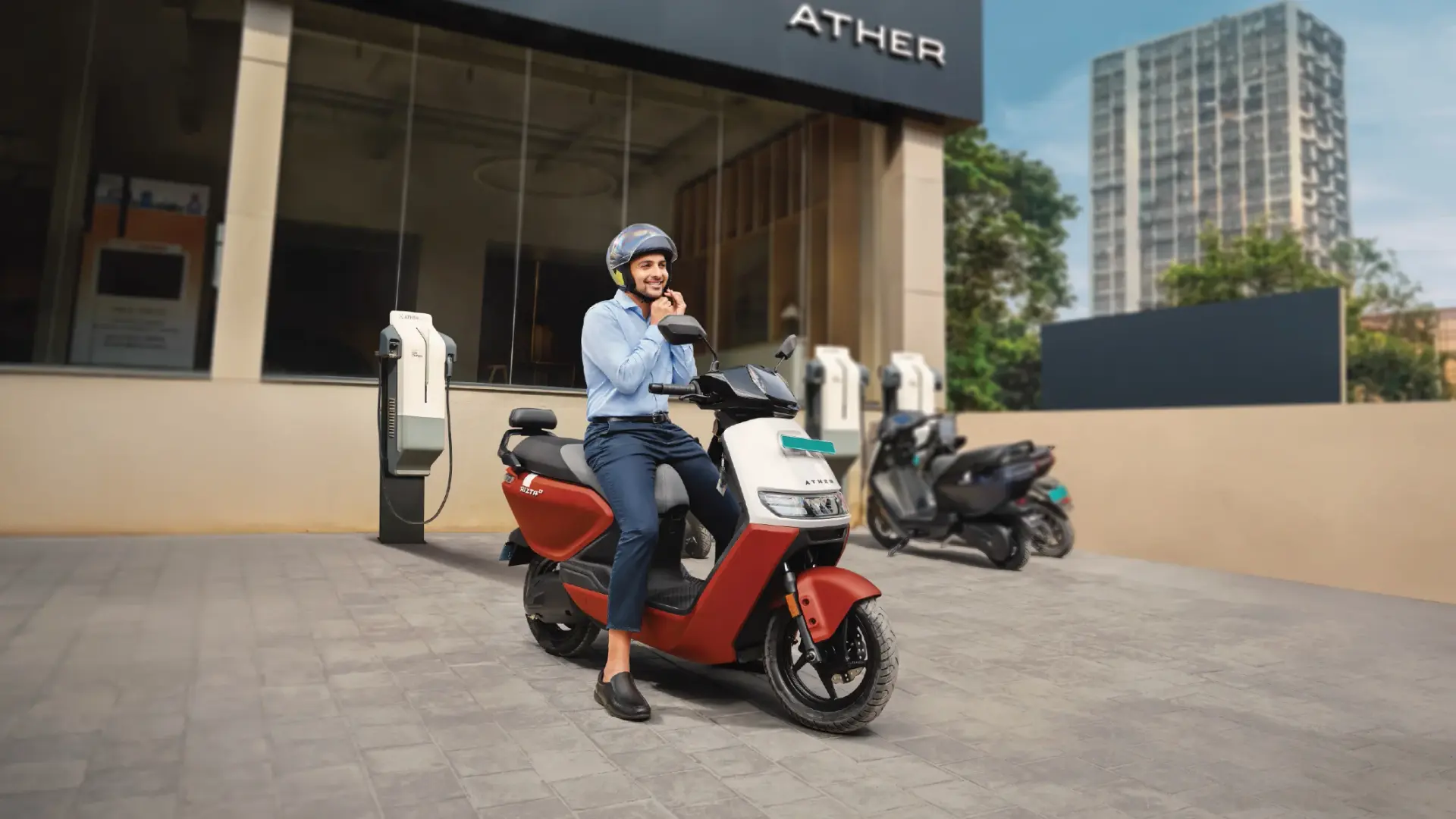
Many new EV owners are surprised to learn that a full charge at home takes 4 to 8 hours—a marked contrast to a quick petrol stop. This lengthy duration is not a compromise, but a crucial advantage. We believe that slow charging (4–8 hours) is the superior method compared to quick, fast-charging top-ups.
The choice is easy: slow charging minimizes heat generation, allowing the battery to maintain its integrity and deliver long-term performance. Understanding this impact on battery health is the key to a superior EV experience and leads directly to how charging methods affect the core of your scooter.
Importance of Battery Life and Charging Methods
The battery is the heart of your electric scooter, and how you charge it directly impacts its health and longevity. Think of your battery as a sponge; if you pour water (energy) into it slowly, it absorbs it perfectly without stress. If you use high pressure, it still works, but it generates more heat. Choosing the right method, balancing regular home charging with occasional fast-charging top-ups, ensures that your battery remains efficient for years, maintaining its range and performance.
Fast Chargers vs. Regular Chargers: The Basics
Ather offers two distinct ways to charge:
- Slow Charging: This is your primary charging method. Using a portable charger or the Ather Duo unit at home, it charges your battery steadily while the scooter is parked. It’s perfect for the 4–8 hour window when you’re at home or even at the office.
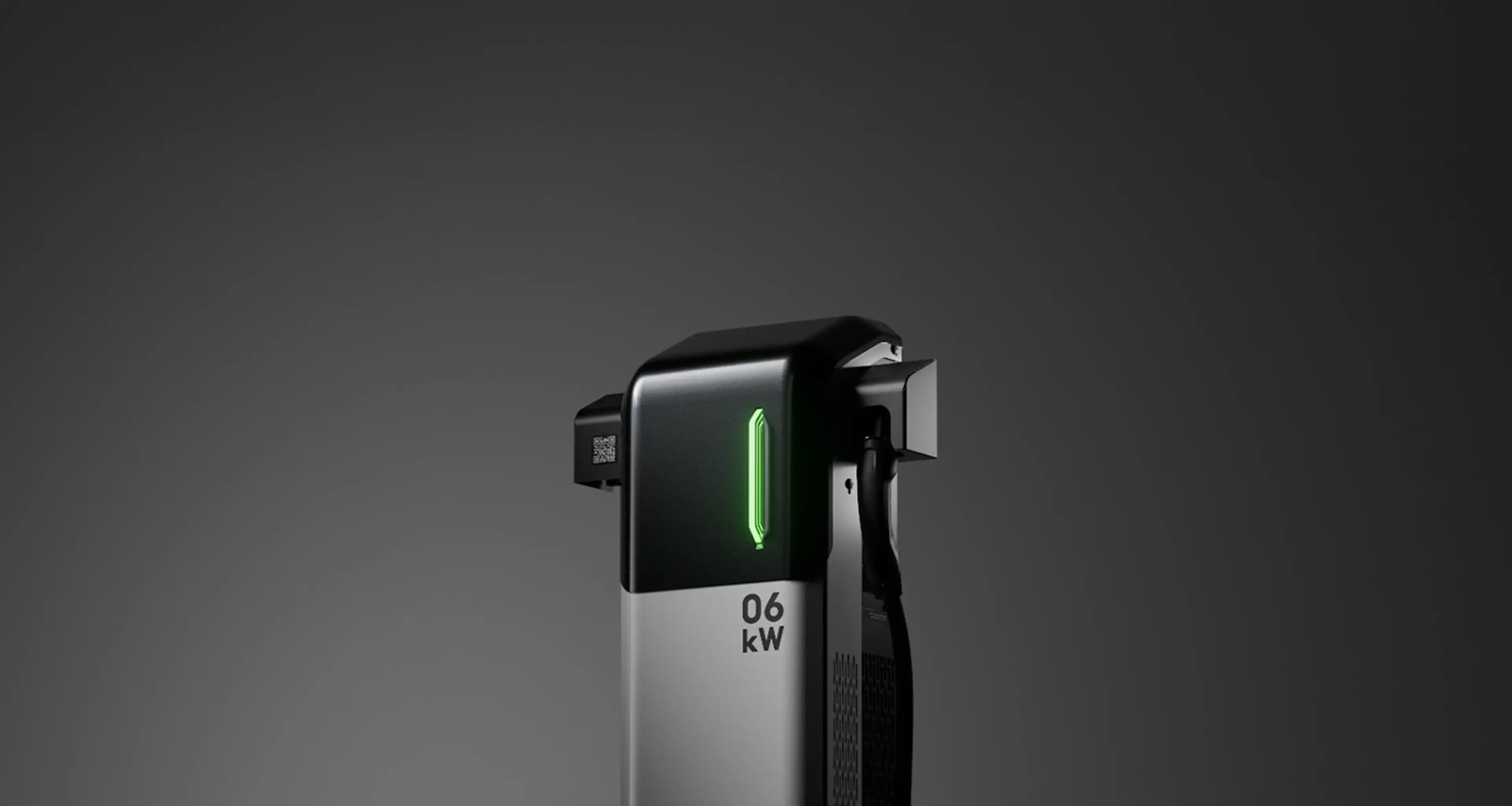
- Fast Charging: This is provided by the Ather Grid, our extensive 6,100+ strong public network. It’s the "express lane" for your battery, giving you a charge of 15 kms in just 10 mins with our 3kW chargers and 30 kms in 10 minutes* with our latest 6kW Ather Grids.
How Slow Charging Works in Electric Scooters?
Slow charging converts alternating current (AC) from standard wall sockets into direct current (DC) inside the scooter. The onboard converter regulates lower power flow, keeping temperatures minimal to preserve overall e scooter battery life over time.
How Fast Charging Works in Electric Scooters?
Fast charging delivers direct current (DC) straight to the battery from public stations, bypassing the internal AC converter. High energy delivery enables rapid replenishment while smart management systems monitor heat and safety continuously.
Fast Charging vs. Slow Charging: Pros, Cons & Performance Comparison
Evaluating ev fast charge vs slow charge performance helps you build a seamless charging routine. Standard home charging delivers reliable overnight power economically, while smart BMS protections ensure excellent overall e scooter battery life during rapid public top-ups.
Recommended charging method for Electric Scooter Owners
The recommended approach is combining regular home slow charging for daily commutes with public fast charging for extended journeys. This hybrid strategy offers maximum convenience while maintaining optimal battery health.
Smart Charging: Matching the Method to Your Lifestyle
Smart charging means choosing slow overnight power for routine parking and rapid charging during active daily travel. Understanding key electric scooter charging tips keeps your routine seamless and flexible.
- Home Charging: Serves as your primary power source. Plugging in overnight for 3–6 hours ensures a full charge every morning easily and economically.
- Fast Charging: Functions as a reliable safety net during busy schedules, long commutes, or unexpected trips across the city.
A Smart System for Battery Health
Ather’s intelligent Battery Management System (BMS) actively monitors cell voltage and temperature during both fast and slow sessions. This automated protection optimizes the battery life of ev scooter models under all conditions.
Finding the Right Charging Fit for Your Needs
Identify the right fit by evaluating your daily riding distance, home parking access, and schedule flexibility. Using a standard portable electric scooter charger covers standard needs, while public ev charging stations provide extra freedom whenever required.
Checking your home setup for a reliable 5A/6A point ensures effortless daily slow charging. Combining home power with public ev charging stations offer the ultimate balance of convenience, range confidence, and long-term performance.

 Sanya Sawlani5 min read
 Chamundeswar Nadh Baratam6 min read
 Sanya Sawlani5 min read
Wish to know more about Ather?
The best things about an Ather can’t be put in words, or captured in images. We’ll take up all your questions, just drop us your number. We’ll call you.
